 | Pakistan Opinion |
Saving Jinnah’s Pakistan

By Ayesha Siddiqa
August 14, 2010
August 14, 2010
The writer is author of Military Inc and a visiting professor at Johns Hopkins University, US ayesha.siddiqa@tribune.com.pk
The Awami Jamhoori Party’s march to save “Jinnah’s Pakistan” is commendable. It denoted mobilisation of civil society against violence and intolerance. The procession ended at Data Darbar, which is considered a symbol of the country’s liberal Islamic ethos or culture of religious multi-polarity. But are we quite clear about whether this is the kind of liberal Islamic tradition that Jinnah and other founding leaders of Pakistan opted for?
There was quite a bit of confusion regarding the type of religious ideology that the leaders thought was suited to the new state. According to renowned scholar Farzana Sheikh, whose latest book Making Sense of Pakistan adds to our knowledge of Pakistan’s polity, Iqbal and others did not prefer sufi Islam for the functioning of a modern Islamic state. For them, sufi Islam represented the traditional type which may be popular but was certainly not modern. In any case, Jinnah did not necessarily think deeply about the ideological and socio-political connotations of religion or using religion for nation-building. Much that some people may protest against the factual description of Jinnah’s personal habits, the fact of the matter is that he had a western lifestyle. Nevertheless, he created a state that defined citizenship on the basis of, what Sheikh argues, is the citizen’s putative relationship with religion.
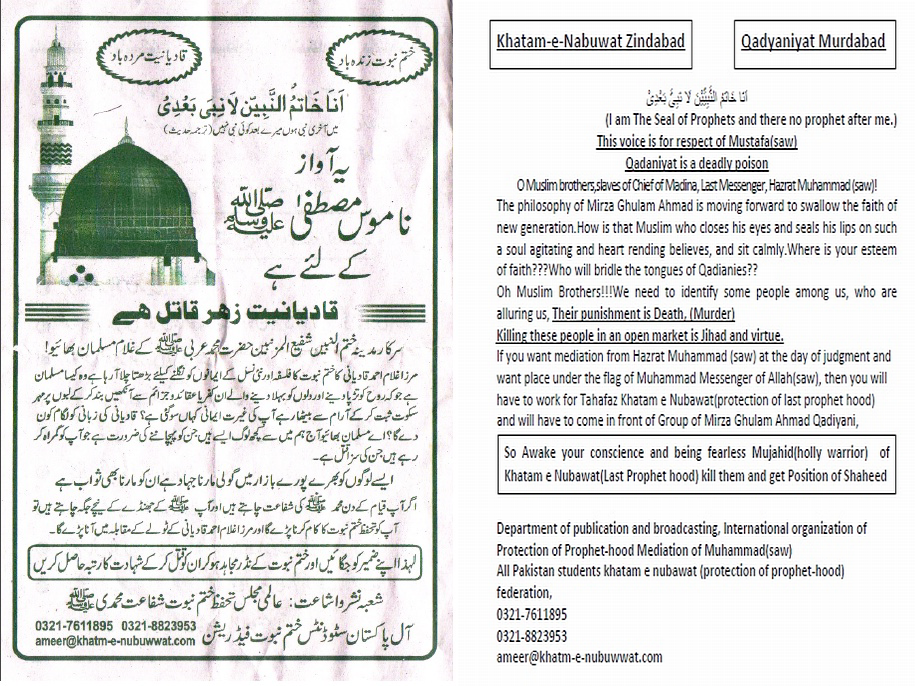
Later, the Muslim League engaged with Majlis-e-Ahrar because the group had links with the Punjabi elite and made inroads into society. The anti-Ahmadi riots of the 1950s exhibited both the growing power of puritanical and illiberal ideology, and the Muslim League’s leadership’s willingness to turn a blind eye to Ahrar’s activities. Instead of giving a liberal direction to the state, if that was indeed the intention, Liaquat Ali Khan went for a formula that appeared as a concession to both the liberal and religious-right in the form of the Objectives Resolution of 1949. The document with its conservative-religious interpretation is central to Pakistan’s legal, constitutional and political frameworks.
But then is cultural or religious-liberalism all that falls in the purview of religion? How about political-liberalism, which no one really wants to talk about? One can be less sure of Jinnah’s intended direction as far as political liberalism is concerned. The conflict between words and actions emerged due to his decisions to annex the state of Kalat and sack Dr Khan Sahib’s provincial government in the frontier. This, as Ayesha Jalal argues, might have been necessary for establishing and strengthening the newly born state. The measures, however, set a politically non-liberal tradition which was followed by his successors. The emphasis was on building a central state with a singular identity. All sub-nationalities were forced to merge their independent cultural and social identity into one mega-identity. The formula did not work so well because the state’s option for sub-nationalities or individuals was to opt for the central narrative and abandon everything else.
But even if we were to use the narrow definition of liberalism as representing religious-liberalism, even that may not seem possible at this juncture. Religious liberalism cannot happen in the absence of political liberalism. Religious radicalism grows not just because the majority or a minority believe in a peculiar and narrow interpretation of religion, but due to the fact that they live in a politically closed system which does not empower them economically and politically. It is not money alone which checks radicalisation but also the richness of a political system. The combination of political and economic poverty makes the problem even denser.
A lot of people have been radicalised in Pakistan not because they understand the radical philosophy of Ibn Tamiyya, Syed Qutb,and Maulana Maududi or its tactical interpretation by Maulana Shamzai, Zawahiri, bin Laden and others, but because they view religion and violence both as necessary tools to fight existing political hegemony and oppression. Under the circumstances, talking about Jinnah’s Pakistan does not make sense until the capable people (those who have resources, education, contacts and power) have the sense to take the bulk of people along and give them at least some of the opportunities they deserve.
Maybe it is time we thought about all what Jinnah could not do.
Published in The Express Tribune, August 15th, 2010.
URL: http://tribune.com.pk/story/39340/saving-jinnah%E2%80%99s-pakistan/
There was quite a bit of confusion regarding the type of religious ideology that the leaders thought was suited to the new state. According to renowned scholar Farzana Sheikh, whose latest book Making Sense of Pakistan adds to our knowledge of Pakistan’s polity, Iqbal and others did not prefer sufi Islam for the functioning of a modern Islamic state. For them, sufi Islam represented the traditional type which may be popular but was certainly not modern. In any case, Jinnah did not necessarily think deeply about the ideological and socio-political connotations of religion or using religion for nation-building. Much that some people may protest against the factual description of Jinnah’s personal habits, the fact of the matter is that he had a western lifestyle. Nevertheless, he created a state that defined citizenship on the basis of, what Sheikh argues, is the citizen’s putative relationship with religion.
Later, the Muslim League engaged with Majlis-e-Ahrar because the group had links with the Punjabi elite and made inroads into society. The anti-Ahmadi riots of the 1950s exhibited both the growing power of puritanical and illiberal ideology, and the Muslim League’s leadership’s willingness to turn a blind eye to Ahrar’s activities. Instead of giving a liberal direction to the state, if that was indeed the intention, Liaquat Ali Khan went for a formula that appeared as a concession to both the liberal and religious-right in the form of the Objectives Resolution of 1949. The document with its conservative-religious interpretation is central to Pakistan’s legal, constitutional and political frameworks.
But then is cultural or religious-liberalism all that falls in the purview of religion? How about political-liberalism, which no one really wants to talk about? One can be less sure of Jinnah’s intended direction as far as political liberalism is concerned. The conflict between words and actions emerged due to his decisions to annex the state of Kalat and sack Dr Khan Sahib’s provincial government in the frontier. This, as Ayesha Jalal argues, might have been necessary for establishing and strengthening the newly born state. The measures, however, set a politically non-liberal tradition which was followed by his successors. The emphasis was on building a central state with a singular identity. All sub-nationalities were forced to merge their independent cultural and social identity into one mega-identity. The formula did not work so well because the state’s option for sub-nationalities or individuals was to opt for the central narrative and abandon everything else.
But even if we were to use the narrow definition of liberalism as representing religious-liberalism, even that may not seem possible at this juncture. Religious liberalism cannot happen in the absence of political liberalism. Religious radicalism grows not just because the majority or a minority believe in a peculiar and narrow interpretation of religion, but due to the fact that they live in a politically closed system which does not empower them economically and politically. It is not money alone which checks radicalisation but also the richness of a political system. The combination of political and economic poverty makes the problem even denser.
A lot of people have been radicalised in Pakistan not because they understand the radical philosophy of Ibn Tamiyya, Syed Qutb,and Maulana Maududi or its tactical interpretation by Maulana Shamzai, Zawahiri, bin Laden and others, but because they view religion and violence both as necessary tools to fight existing political hegemony and oppression. Under the circumstances, talking about Jinnah’s Pakistan does not make sense until the capable people (those who have resources, education, contacts and power) have the sense to take the bulk of people along and give them at least some of the opportunities they deserve.
Maybe it is time we thought about all what Jinnah could not do.
Published in The Express Tribune, August 15th, 2010.
URL: http://tribune.com.pk/story/39340/saving-jinnah%E2%80%99s-pakistan/






 Posts
Posts


