 | Columnist |
In our beginning is our end
By Ardeshir Cowasjee
Sunday, 20 Jun, 2010
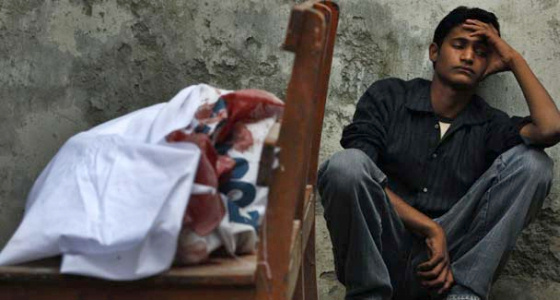
Whatever progress we have made in Pakistan’s 63 years of life has been on the negative side, writes Ardeshir Cowasjee. — Photo by Reuters
We must read to remember. The early days of Pakistan were far from halcyon, though those of us who lived through them look back with some nostalgia. Whatever progress we have made in this country’s 63 years of life has been, as it turns out, on the negative side.
Where have we progressed in leaps and bounds? Well, in the scale of wholesale corruption, political and administrative ineptitude, and bigotry and intolerance and their accompanying violence — they were all there at the beginning which was in itself violent.
Perhaps the presence of founder-maker Mohammad Ali Jinnah for the first year of Pakistan’s life kept things somewhat in check, though his loyal lieutenants did take advantage of his state of health. His exhortations of Aug 11, 1947 to his constituent assembly were in vain.
All that he laid down — tolerance, equality of citizenship, the shunning of corruption, nepotism and jobbery, and above all that law and order was the first priority of any government — was all lost. It was never digested, the quality of manpower saw to that.
Having dipped into an OUP 2010 publication, The Culture of Power and Governance of Pakistan 1947-2008 by Ilhan Niazi, it has sadly dawned upon me how misplaced was the early enthusiasm for the new country and the belief that the words and teachings of Jinnah would prevail.
In January 1949, governor of the Punjab Francis Mudie sent a note to Prime Minister Liaquat Ali Khan complaining that Punjab Chief Minister Mamdot was one up on the centre and even Jinnah “every time that they have intervened and the feeling is growing that the centre is powerless even when the government is hopelessly corrupt and the administration paralysed … no questions of policy are even contemplated”.
The services were demoralised, ministers were interfering in the administration, “becoming more and more rapacious”. Land grabbing was the fashion from the start — the Punjab chief minister was described as “lazy, inefficient and a liar”, his main interest being the acquisition of evacuee land out of which he and his family and followers had all done splendidly.
The same applied to many other politicians and administrators whose main focus was the abandoned evacuee properties — buildings and land.
In March that same year, the ulema, who even in those days wielded far more influence than they should have done and were mainly comprised of groups that had opposed the creation of Pakistan, scored a famous victory.
The Muslim League, led by Liaquat Ali Khan, turned its back on Jinnah and his avowal to the world that Pakistan was not to be a theocratic state led by priests with a divine mission, and pushed through the constituent assembly the Objectives Resolution which put paid to any hope of freedom of worship, of the fundamental principle that all citizens are equal and above all of Jinnah’s promise to his people: “You may belong to any religion or caste or creed — that has nothing to do with the business of the state.”
In 1952, Interior Secretary G. Ahmed sent to Prime Minister Khwaja Nazimuddin a note on the internal situation. He reported a loss of public confidence in the weak and far from competent government. The country was on the downgrade, provincial and political disharmony was on the increase, and there was an undercurrent of restlessness.
The cause: the mindset of the politicians and their medieval attitude towards the acquisition and exercise of power — politicians at all levels used and abused the state as a personal estate, and were adept at playing games with the religious fundamentalists for short-term political benefit.
Well, all of the above is an apt description of what has transpired each year of Pakistan’s life — the generals had not by 1952 reared their heads, but the accusation against the politicians has also applied equally and fairly since 1956 to the generals of our army and to vast numbers of corrupt and venal administrators who have been willing tools in the hands of whatever masters they have served in servile manner.
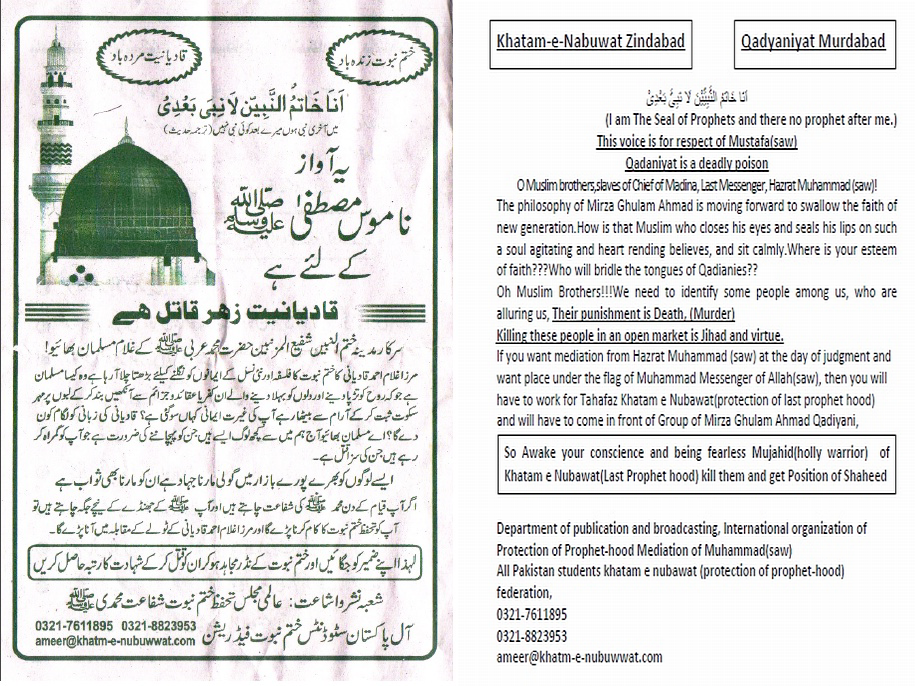
Come 1953, and the ulema flaunted their powers. In January they issued an ultimatum to Prime Minister Nazimuddin that unless he declared the Ahmadis to be a non-Muslim minority and sacked all Ahmadis in key state posts they would resort to ‘direct action’. This they did in March, the prime minister having ignored them.
Widespread disturbances, killings and rioting broke out in Punjab leading to the imposition of a local martial law. In 1954 Justices M. Munir and M.R. Kayani presented their report on the disturbances in which they famously declared that, after having heard various members of the ulema, it was impossible to define a Pakistani Muslim.
Their final sentence to the report is one of the saddest truest comments ever made on this country: “But if democracy means the subordination of law and order to political ends — then Allah knoweth best and we end the report.”
Were any lessons learnt? No. In 1974, Prime Minister Zulfikar Ali Bhutto, bowing, it is said to external and internal pressures excommunicated an entire community, declaring the Ahmadis a minority. Ziaul Haq in 1984 declared the Ahmadis to be non-Muslims and into the Pakistan Penal Code inserted sections 298-B and 298-C prohibiting them from referring to their place of worship as a masjid, from referring to the call to prayer as the azan, from ‘posing’ as a Muslim, or from referring to their faith as Islam. The punishment was a fine and up to three years imprisonment.
And so, on to May 28 2010. Where do we go from there?
arfc@cyber.net .pk
Where have we progressed in leaps and bounds? Well, in the scale of wholesale corruption, political and administrative ineptitude, and bigotry and intolerance and their accompanying violence — they were all there at the beginning which was in itself violent.
Perhaps the presence of founder-maker Mohammad Ali Jinnah for the first year of Pakistan’s life kept things somewhat in check, though his loyal lieutenants did take advantage of his state of health. His exhortations of Aug 11, 1947 to his constituent assembly were in vain.
All that he laid down — tolerance, equality of citizenship, the shunning of corruption, nepotism and jobbery, and above all that law and order was the first priority of any government — was all lost. It was never digested, the quality of manpower saw to that.
Having dipped into an OUP 2010 publication, The Culture of Power and Governance of Pakistan 1947-2008 by Ilhan Niazi, it has sadly dawned upon me how misplaced was the early enthusiasm for the new country and the belief that the words and teachings of Jinnah would prevail.
In January 1949, governor of the Punjab Francis Mudie sent a note to Prime Minister Liaquat Ali Khan complaining that Punjab Chief Minister Mamdot was one up on the centre and even Jinnah “every time that they have intervened and the feeling is growing that the centre is powerless even when the government is hopelessly corrupt and the administration paralysed … no questions of policy are even contemplated”.
The services were demoralised, ministers were interfering in the administration, “becoming more and more rapacious”. Land grabbing was the fashion from the start — the Punjab chief minister was described as “lazy, inefficient and a liar”, his main interest being the acquisition of evacuee land out of which he and his family and followers had all done splendidly.
The same applied to many other politicians and administrators whose main focus was the abandoned evacuee properties — buildings and land.
In March that same year, the ulema, who even in those days wielded far more influence than they should have done and were mainly comprised of groups that had opposed the creation of Pakistan, scored a famous victory.
The Muslim League, led by Liaquat Ali Khan, turned its back on Jinnah and his avowal to the world that Pakistan was not to be a theocratic state led by priests with a divine mission, and pushed through the constituent assembly the Objectives Resolution which put paid to any hope of freedom of worship, of the fundamental principle that all citizens are equal and above all of Jinnah’s promise to his people: “You may belong to any religion or caste or creed — that has nothing to do with the business of the state.”
In 1952, Interior Secretary G. Ahmed sent to Prime Minister Khwaja Nazimuddin a note on the internal situation. He reported a loss of public confidence in the weak and far from competent government. The country was on the downgrade, provincial and political disharmony was on the increase, and there was an undercurrent of restlessness.
The cause: the mindset of the politicians and their medieval attitude towards the acquisition and exercise of power — politicians at all levels used and abused the state as a personal estate, and were adept at playing games with the religious fundamentalists for short-term political benefit.
Well, all of the above is an apt description of what has transpired each year of Pakistan’s life — the generals had not by 1952 reared their heads, but the accusation against the politicians has also applied equally and fairly since 1956 to the generals of our army and to vast numbers of corrupt and venal administrators who have been willing tools in the hands of whatever masters they have served in servile manner.
Come 1953, and the ulema flaunted their powers. In January they issued an ultimatum to Prime Minister Nazimuddin that unless he declared the Ahmadis to be a non-Muslim minority and sacked all Ahmadis in key state posts they would resort to ‘direct action’. This they did in March, the prime minister having ignored them.
Widespread disturbances, killings and rioting broke out in Punjab leading to the imposition of a local martial law. In 1954 Justices M. Munir and M.R. Kayani presented their report on the disturbances in which they famously declared that, after having heard various members of the ulema, it was impossible to define a Pakistani Muslim.
Their final sentence to the report is one of the saddest truest comments ever made on this country: “But if democracy means the subordination of law and order to political ends — then Allah knoweth best and we end the report.”
Were any lessons learnt? No. In 1974, Prime Minister Zulfikar Ali Bhutto, bowing, it is said to external and internal pressures excommunicated an entire community, declaring the Ahmadis a minority. Ziaul Haq in 1984 declared the Ahmadis to be non-Muslims and into the Pakistan Penal Code inserted sections 298-B and 298-C prohibiting them from referring to their place of worship as a masjid, from referring to the call to prayer as the azan, from ‘posing’ as a Muslim, or from referring to their faith as Islam. The punishment was a fine and up to three years imprisonment.
And so, on to May 28 2010. Where do we go from there?
arfc@cyber.net .pk
©2010 DAWN Media Group. All rights reserved






 Posts
Posts


