
Opinions / Interviews / INDONESIA: Ahmadiyah community faces ongoing discrimination
INDONESIA: Ahmadiyah community faces ongoing discrimination
July 21, 2011
An interview with Zaenuda Ikhwanul Aziz from the Indonesian Ahmadiyah Community (JAI) published by the Asian Human Rights Commission regarding the situation faced by Ahmadis in Indonesia.
 Zaenuda Ikhwanul Aziz, is the secretary of the legal committee of the Indonesian Ahmadiyah congregation (Jamaah Ahmadiyah Indonesia — JAI). He is actively involved in the struggle of the Ahmadiyah in the country.
How do you feel about what is happening to the Ahmadiyah community in Indonesia?
We feel that we are being discriminated against, especially the Ahmadiyah communities at the localities outside the capital of Jakarta. For example, the government does not give identification cards and marriage certificates to Ahmadiyahs.
At the economic sector many Ahmadiyahs have had to change the location of their businesses. Even in some provinces, the people from the community are intimidated not to buy products from Ahmadiyah shops and businesses and this has resulted in a serious reduction of our income.
In the social sector we also are excluded and intimidated. We are not allowed to be involved in social gatherings.
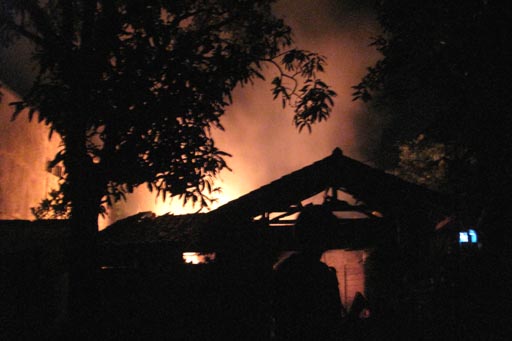
At the religious sector the Minister of Religion prohibits us from conducting the Hajj, (the pilgrimage to Mekka) and even when we pray, members of the local communities attack our mosques. Sometimes, our villages are also attacked.
Also, in the health sector, many people reject Ahmadiyahs as patients. We therefore feel discriminated against in most, if not all, sectors.
When did you start to feel the discrimination?
The discrimination started when the Indonesian Ulama Assembly (Majelis Ulama Indonesia - MUI) declared Ahmadiyah as an errant sect in 1980. This fatwa brought to light the differences between Ahmadiyahs and the community. The people followed the fatwa believing that Ahmadiyah is errant without seeking any further explanation or consideration.
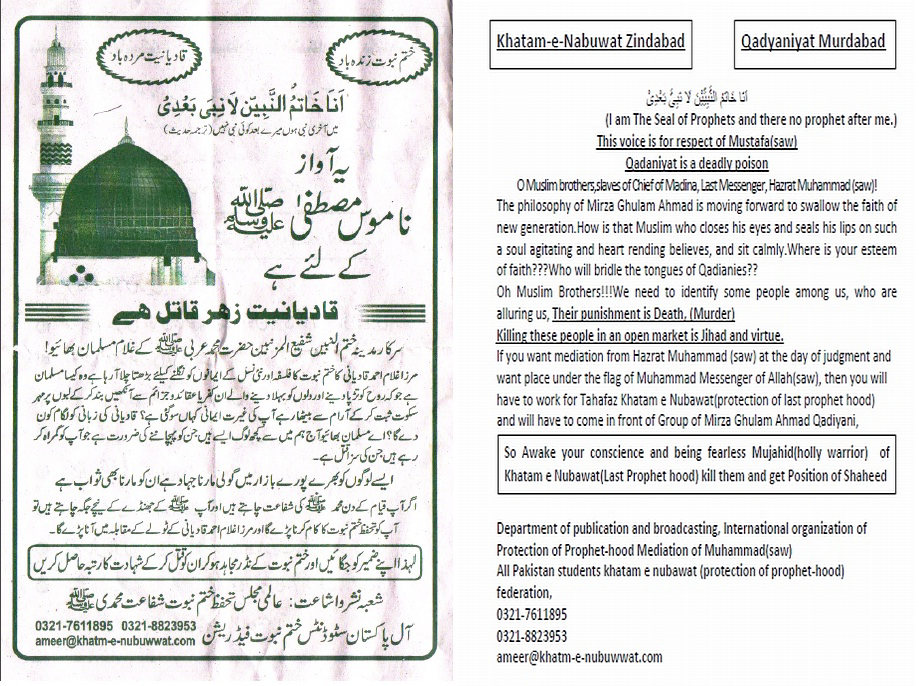
The main actors involved are the Indonesian government, central and local law enforcement authorities and several Ulama members who influence the people to attack Ahmadiyah communities. This is especially so with those persons who live within Ahmadiyah communities.
In your opinion, what is the reason for the increase of the aggression against Ahmadiyahs in the last few years?
There are several reasons, not the least of which is that the government is indecisive about law enforcement. If the joint ministerial decree against JAI still prevailed then the government could not allow the local regulations in the provinces to declare Ahmadiyah as an errant sect. Unfortunately, the government did nothing to prevent this from happening.
The aggressors see Ahmadiyah as a threat because the numbers of Ahmadiyah communities is increasing and they are scared that they will lose their followers.
Also, the content of the joint ministerial decree has been misinterpreted. There are local regulations which use the joint resolution decree to declare Ahmadiyah as errant whereas there is no such statement in the decree itself. The JAI think this happened because the government is trying to distance itself from the joint of resolution decree.
Is the state doing anything to protect the Ahmadiyahs?
We feel the state protection is still minimal. There is still turmoil because there is no law enforcement. It is seldom that perpetrators of violence against Ahmadiyahs are arrested and they are never prosecuted in the courts.
What do you feel about the work of the police?
In general, the work of the police is still far from professional. However, we must acknowledge that in some areas, there are some good police officers working in relation to Ahmadiyahs.
What about the work of the courts?
Judges are deficient at searching for the truth. Their efforts are deficient when examining at a trial, investigating the witness and proof, such as happened at Cisalada trial. Even the verdict against the Ahmadiyah victim was heavier than that of the perpetrators.
What is the Ahmadiyah community doing in their own defence?
Our representatives visit government officials, legal enforcement authorities, and the community in general. Relating to the legal dealings, we entrust this to our legal counsel.
The result of our visits are promising in that there are several communities and authorities who opened up and accepted us such as in Bandung, Central Java, and Wonosobo. But there have also been rejections such as in Cianjur, Bogor.
What is your ultimate goal in this struggle?
All we ask for is the right to live like other citizens and that these rights are fulfilled by the government
————————
The views shared in this article do not necessarily reflect those of the AHRC, and the AHRC takes no responsibility for them.
An interview with Zaenuda Ikhwanul Aziz from the Indonesian Ahmadiyah Community (JAI) published by the Asian Human Rights Commission regarding the situation faced by Ahmadis in Indonesia.
Zaenuda Ikhwanul Aziz, is the secretary of the legal committee of the Indonesian Ahmadiyah congregation (Jamaah Ahmadiyah Indonesia — JAI). He is actively involved in the struggle of the Ahmadiyah in the country.How do you feel about what is happening to the Ahmadiyah community in Indonesia?
We feel that we are being discriminated against, especially the Ahmadiyah communities at the localities outside the capital of Jakarta. For example, the government does not give identification cards and marriage certificates to Ahmadiyahs.
At the economic sector many Ahmadiyahs have had to change the location of their businesses. Even in some provinces, the people from the community are intimidated not to buy products from Ahmadiyah shops and businesses and this has resulted in a serious reduction of our income.
In the social sector we also are excluded and intimidated. We are not allowed to be involved in social gatherings.
At the religious sector the Minister of Religion prohibits us from conducting the Hajj, (the pilgrimage to Mekka) and even when we pray, members of the local communities attack our mosques. Sometimes, our villages are also attacked.
Also, in the health sector, many people reject Ahmadiyahs as patients. We therefore feel discriminated against in most, if not all, sectors.
When did you start to feel the discrimination?
The discrimination started when the Indonesian Ulama Assembly (Majelis Ulama Indonesia - MUI) declared Ahmadiyah as an errant sect in 1980. This fatwa brought to light the differences between Ahmadiyahs and the community. The people followed the fatwa believing that Ahmadiyah is errant without seeking any further explanation or consideration.
The main actors involved are the Indonesian government, central and local law enforcement authorities and several Ulama members who influence the people to attack Ahmadiyah communities. This is especially so with those persons who live within Ahmadiyah communities.
In your opinion, what is the reason for the increase of the aggression against Ahmadiyahs in the last few years?
There are several reasons, not the least of which is that the government is indecisive about law enforcement. If the joint ministerial decree against JAI still prevailed then the government could not allow the local regulations in the provinces to declare Ahmadiyah as an errant sect. Unfortunately, the government did nothing to prevent this from happening.
The aggressors see Ahmadiyah as a threat because the numbers of Ahmadiyah communities is increasing and they are scared that they will lose their followers.
Also, the content of the joint ministerial decree has been misinterpreted. There are local regulations which use the joint resolution decree to declare Ahmadiyah as errant whereas there is no such statement in the decree itself. The JAI think this happened because the government is trying to distance itself from the joint of resolution decree.
Is the state doing anything to protect the Ahmadiyahs?
We feel the state protection is still minimal. There is still turmoil because there is no law enforcement. It is seldom that perpetrators of violence against Ahmadiyahs are arrested and they are never prosecuted in the courts.
What do you feel about the work of the police?
In general, the work of the police is still far from professional. However, we must acknowledge that in some areas, there are some good police officers working in relation to Ahmadiyahs.
What about the work of the courts?
Judges are deficient at searching for the truth. Their efforts are deficient when examining at a trial, investigating the witness and proof, such as happened at Cisalada trial. Even the verdict against the Ahmadiyah victim was heavier than that of the perpetrators.
What is the Ahmadiyah community doing in their own defence?
Our representatives visit government officials, legal enforcement authorities, and the community in general. Relating to the legal dealings, we entrust this to our legal counsel.
The result of our visits are promising in that there are several communities and authorities who opened up and accepted us such as in Bandung, Central Java, and Wonosobo. But there have also been rejections such as in Cianjur, Bogor.
What is your ultimate goal in this struggle?
All we ask for is the right to live like other citizens and that these rights are fulfilled by the government
————————
The views shared in this article do not necessarily reflect those of the AHRC, and the AHRC takes no responsibility for them.





 Posts


